
Guide to the Chaos Map
A mental map for navigating the big picture of life, work, and relationships.
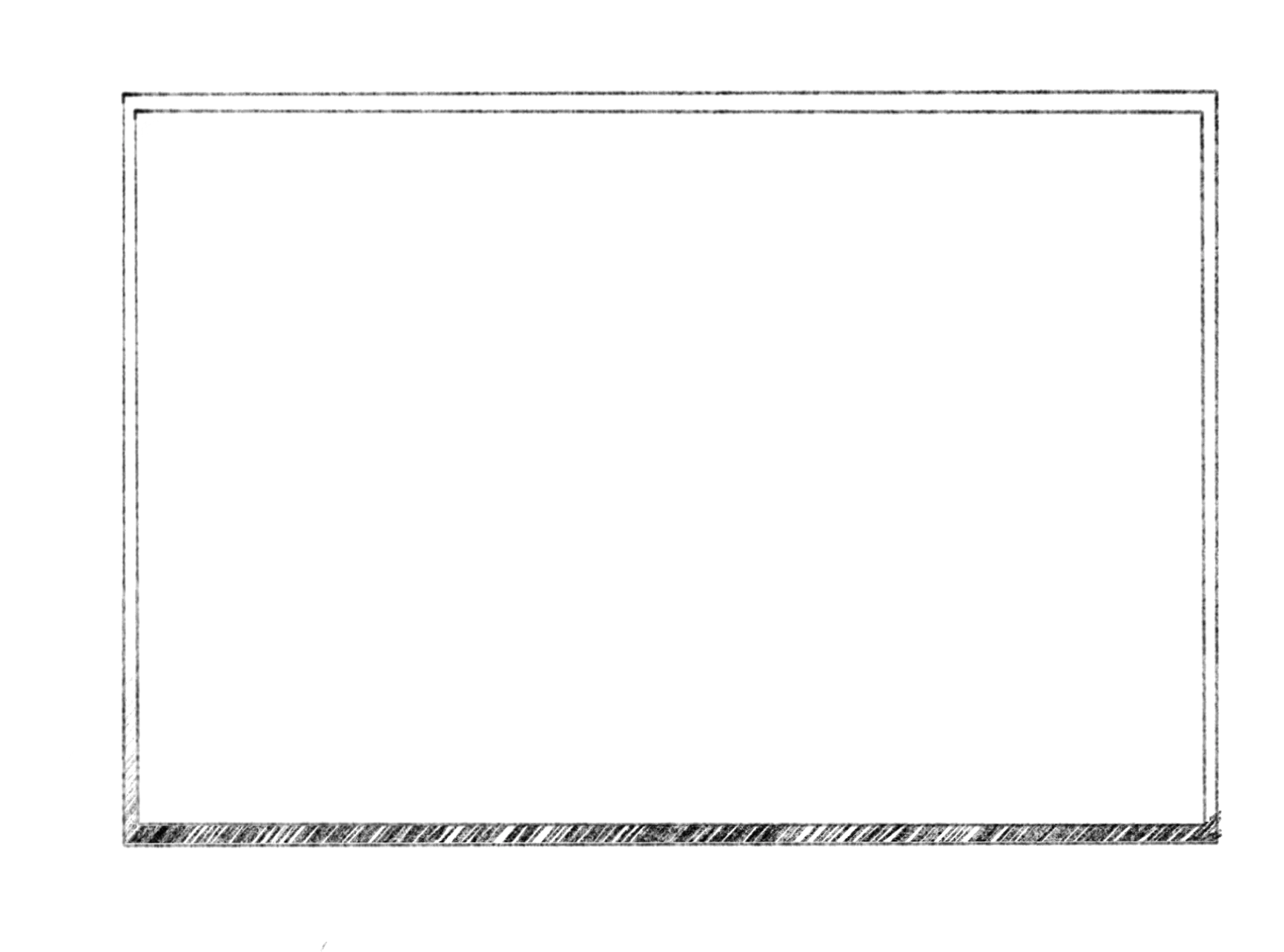
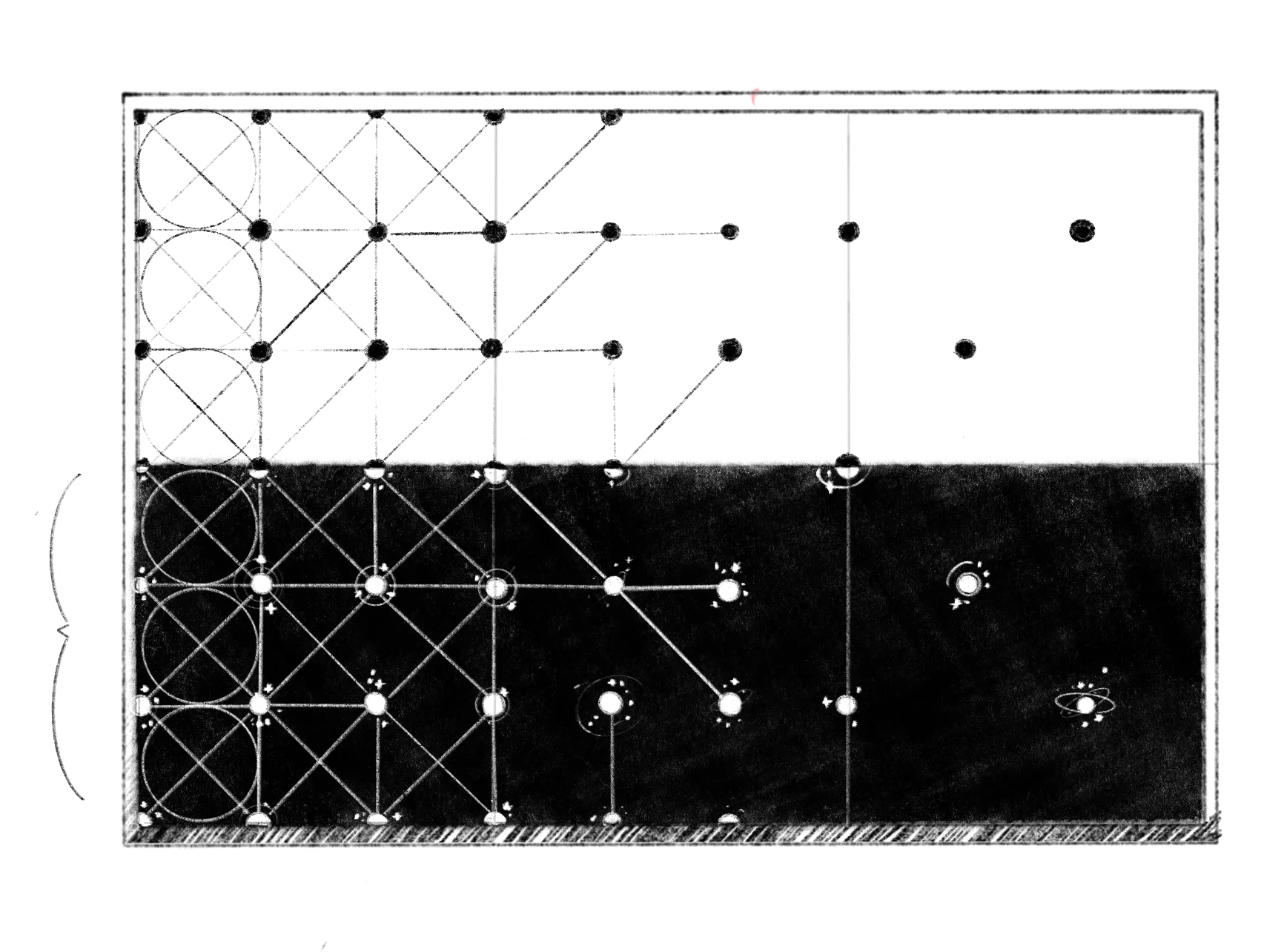
The map is the border around anything humans interact within: a workplace, a family, the culture at large, etc.
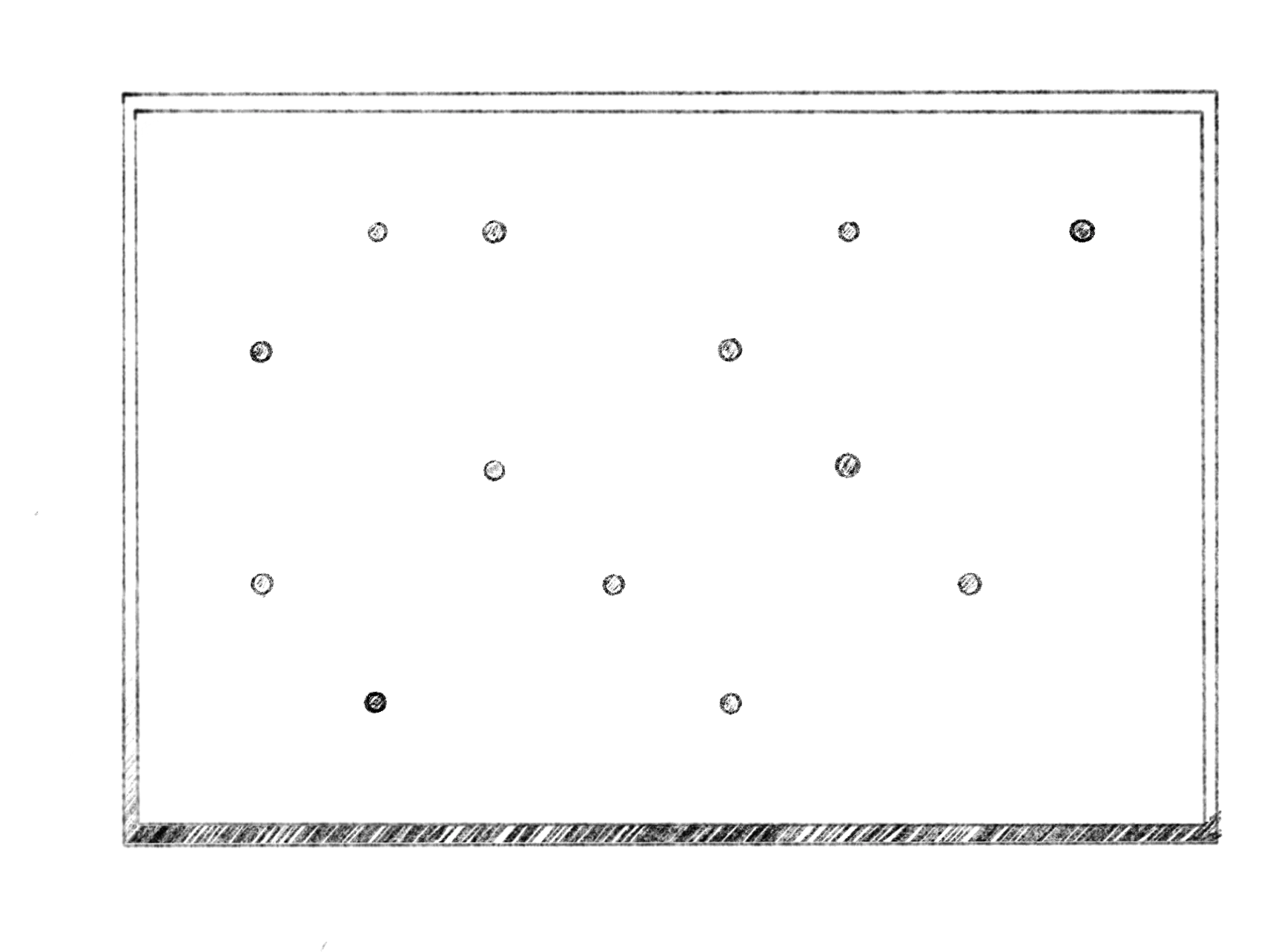
A possibility is something unknown within the map that could be life-changing or mundane. Encountering a possibility feels at once challenging and exhilarating.
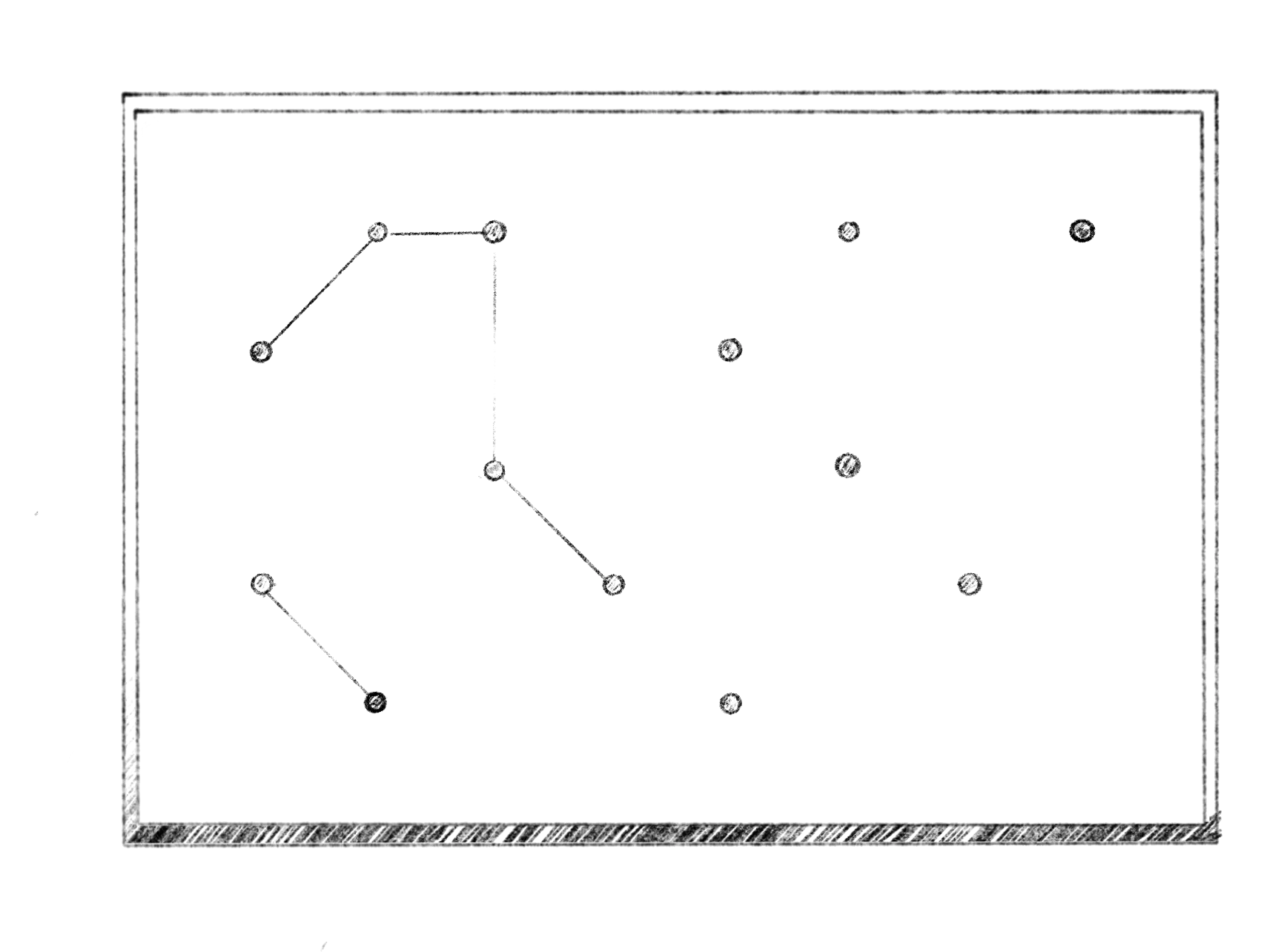
A pattern connects discovered possibilities into reliable, useful systems. The more connected a pattern, the more predictable and useful it becomes.
Order & Chaos
Order is the safe, powerful, and predictable side of the map, formed from connected possibilities.
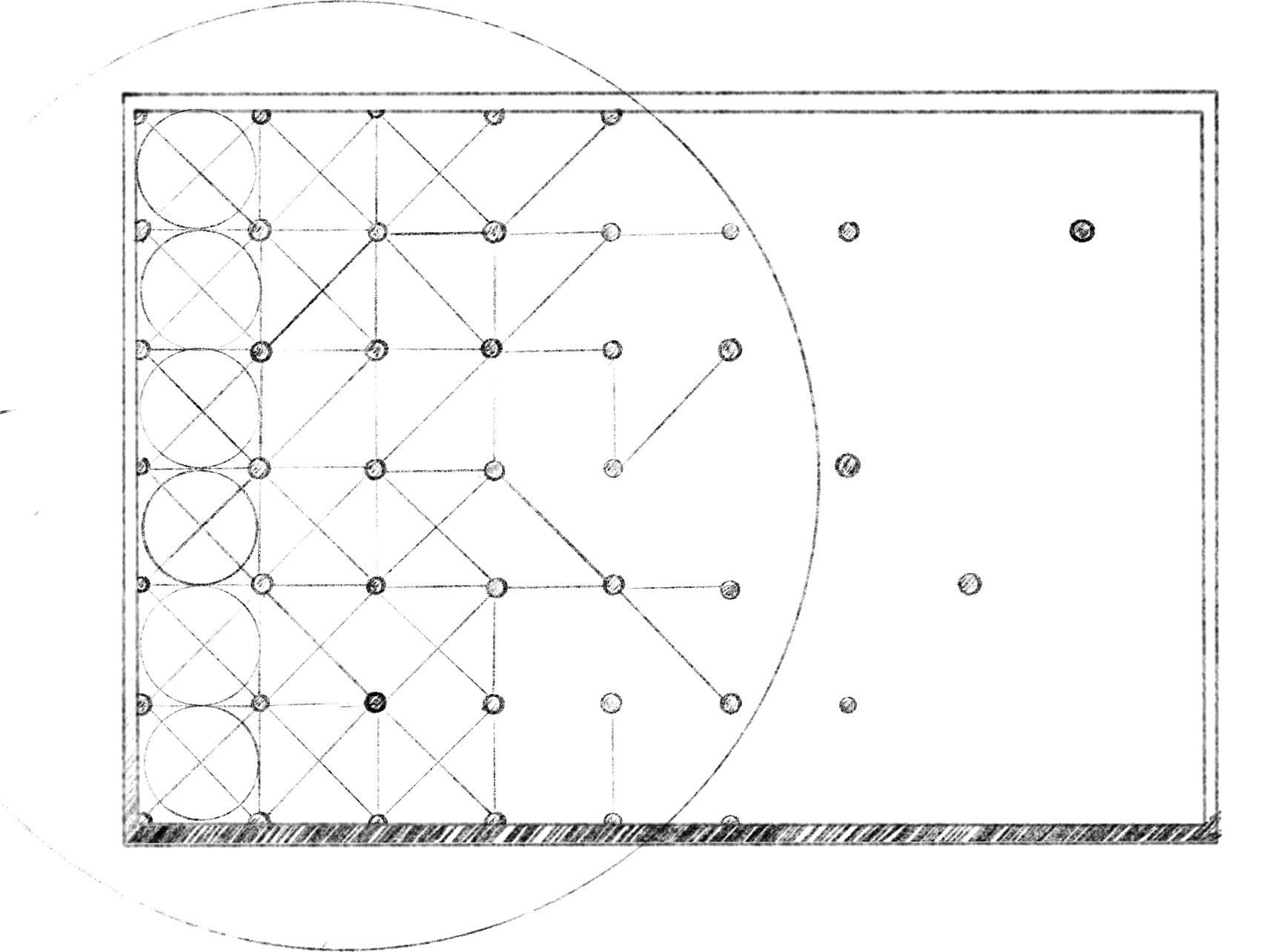
Chaos is the untamed, exciting, and dangerous side of the map where we encounter unpatterned possibility.
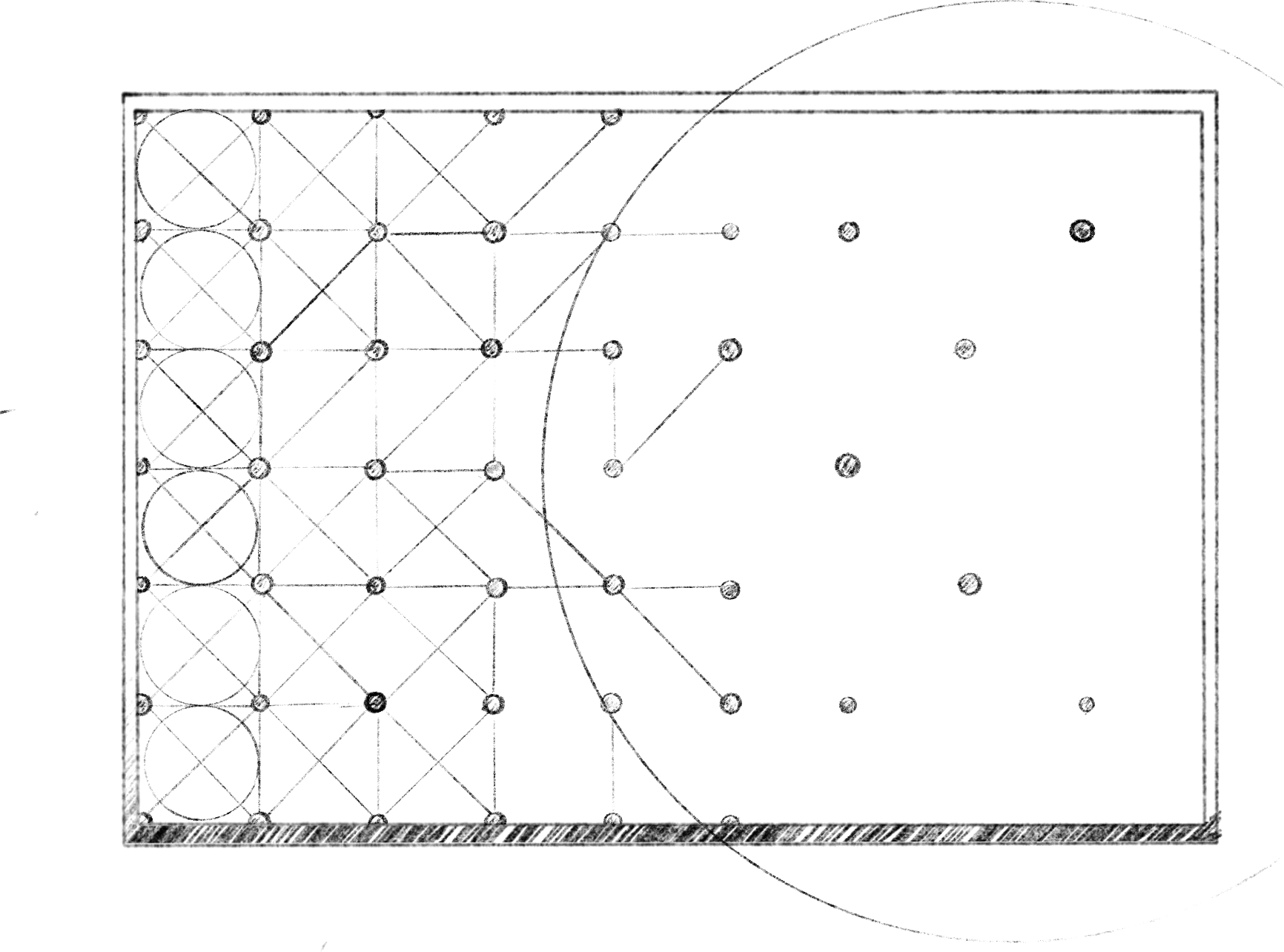
We create order from chaos
We gain a deep sense of purpose when we stumble onto a vague possibility — in a relationship or idea — and transform it into a reliable pattern.
We feel it when we learn something new, mend a relationship, clean up our room, or create art.
Our pattern-making drive is so fundamental that we even seek it out secondhand by watching other humans — real or fictional — bring chaos to order.
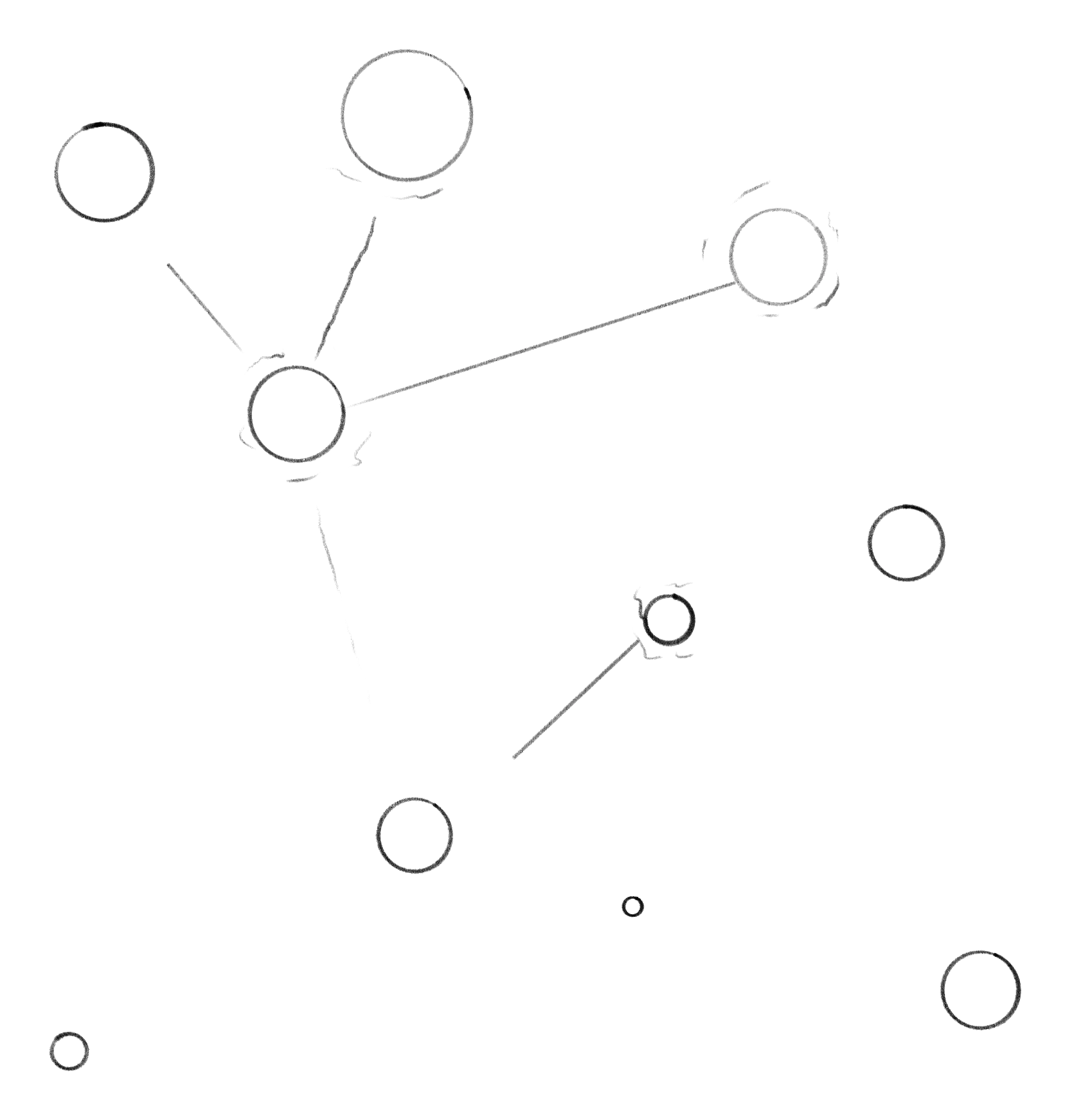
We’re drawn towards order or chaos (x)
Everyone brings some amount of chaos to order but has a unique gravitational pull more towards one side or the other.
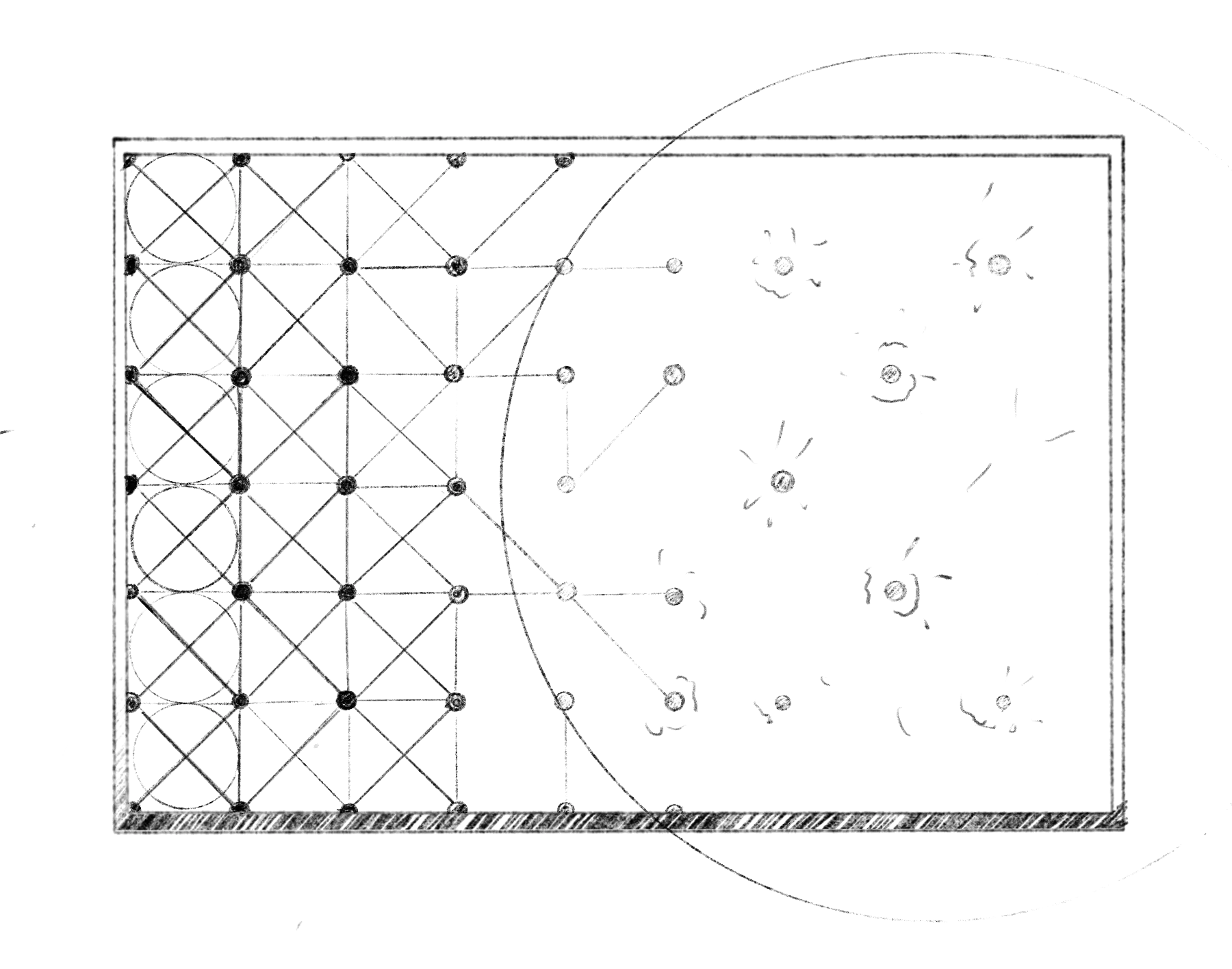
Chaos Affinity
The rare few who gravitate towards chaos are galvanized by vague, big-picture possibilities as much as they are bored by anything already worked out.
On this side of the map, even the most useful norms, routines, and methods feel stifling. A chaos explorer is more likely to scrap the practical for a partially articulated experiment or meta-intuition — anything to avoid the mundane predictability and tedium of order.
Order Affinity
Most of us are comfortable within the reliable, safe structure of order, most of the time. We prefer practical patterns forged from our own experience, social norms, and time-tested traditions.
We’ll incrementally optimize the order when it makes good sense but resist replacing what already works with something that only might work.
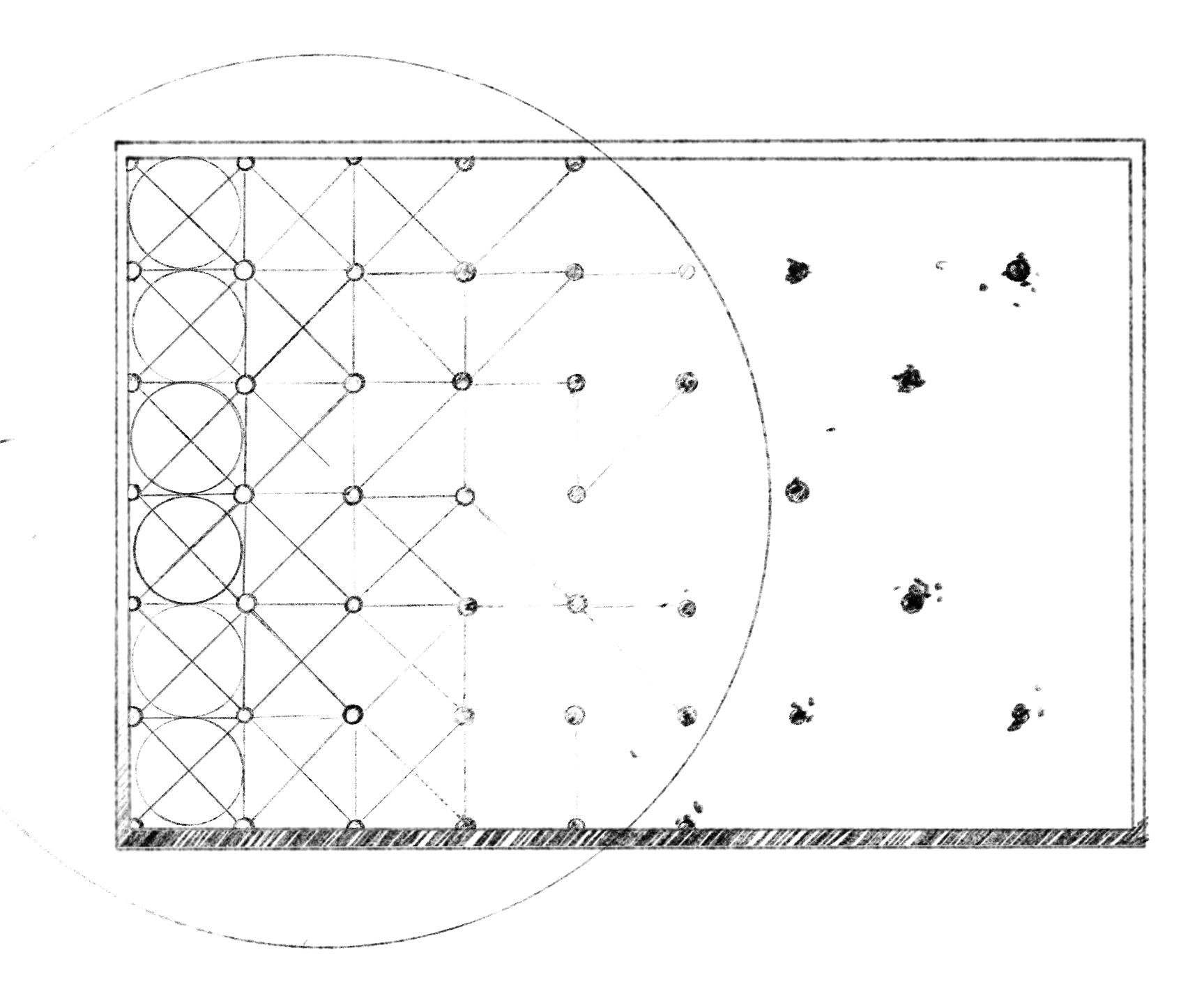
Emergent Affinity
In the middle of the map lies the epicenter of progress. We enter it whenever we create or reform the order of things.
But a smaller few gravitate into this polarized space, holding contradictory impulses in tension:
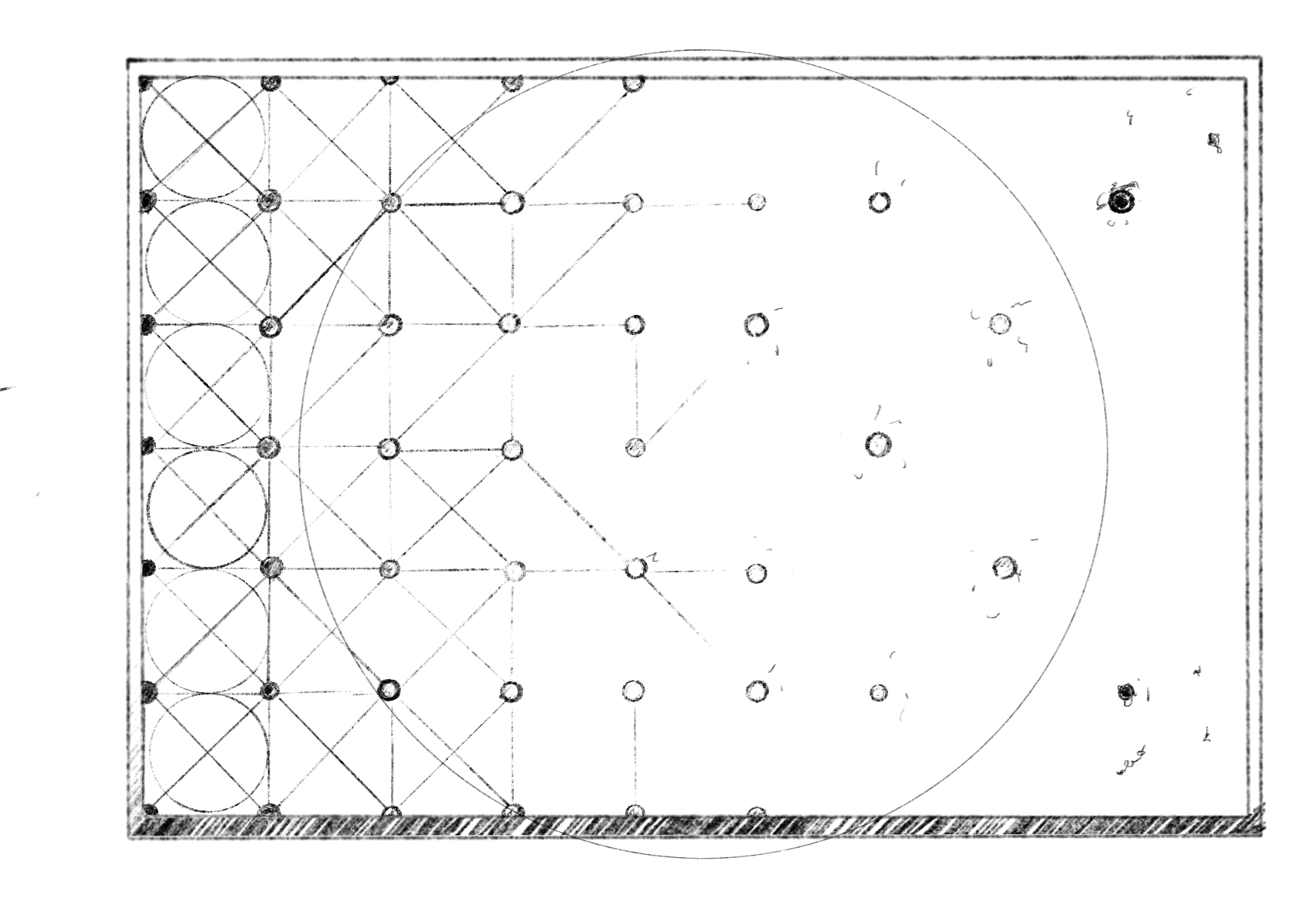
On one hand, we value the order of things — but only insofar as we can change it.
On the other hand, we value new, untested possibilities — but only inasmuch as we can push them towards a practical solution. This middle disposition is polarizing on both sides — a threat to the order of things and a reality-check for chaos.
Chaos and order may be relational or conceptual
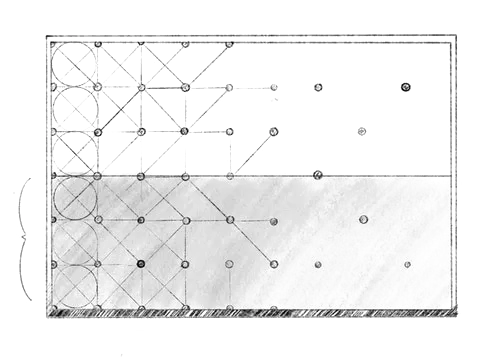
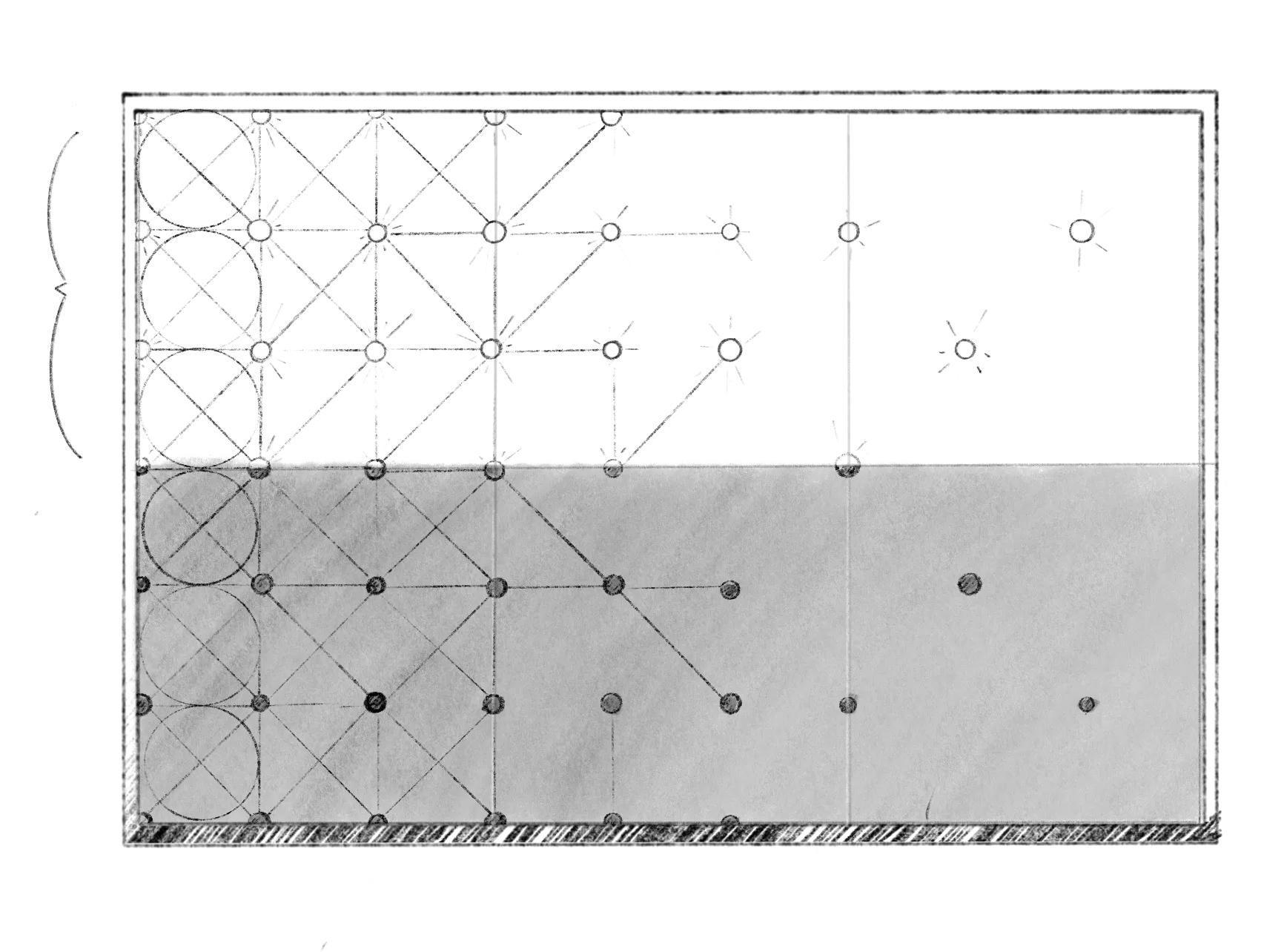
The relational world is the dramatic surface of life — it holds all the volatile, contagious patterns and possibilities of feeling for others, ourselves, and the world. Here, we find cultural norms, traditions, fashion, stories, dance, ecstasy, revolution — any spark or tie that binds our hearts.
The conceptual world evolves from patterns decoded from the dramatic, temporal relational patterns above. Here, we find abstract patterns of knowledge, technology, law, and philosophy. The deeper and more robust our conceptual roots, the more relationships flourish above.
We prefer pattern-making with people or with concepts (y)
Not only will we prefer more or less chaos or order in a given map, but we’ll also gravitate more towards making relational or conceptual patterns.
Relational Pattern Affinity
Those of us who gravitate towards the relational world prioritize weaving patterns of friendship, reciprocity, and culture.
We’ll enjoy working to organize, motivate, and interact with people in the real world and are likely to pursue relational work like teaching, parenting, management, care services, etc.
Conceptual Pattern Affinity
Those of us more at home within the conceptual world are interested in the underlying patterns that influence people up in the relational world. But we’ll prefer to observe them at a distance, under the surface.
We’ll enjoy working with systems, mental models, and principles. As such, we’re more inclined to choose careers that afford us lots of time to think – fields like science, art, and accounting.
Gravity Point
When put together, our (x) affinity for order or chaos and (y) preference for relational or conceptual patterns locate our gravity point — the mental space that feels most natural, energizing, and satisfying to us.
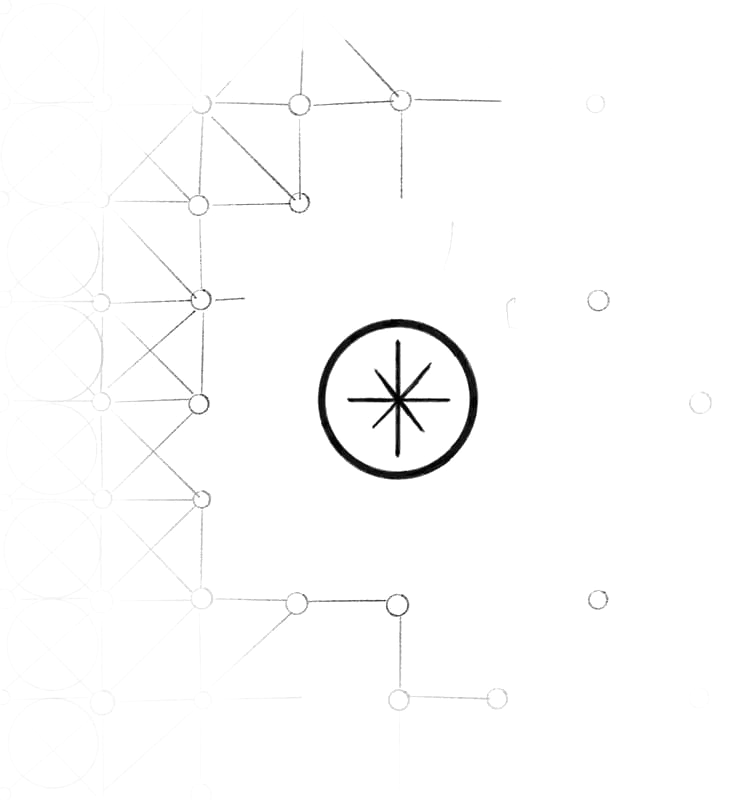
Straying too far to the left of our gravity point leaves us stifled in too much order; venturing too far to the right leaves us anxiously unmoored. While stretching beyond it is critical for learning (our “zone of proximal development”), too long out of range leads to burnout.
We bring chaos to order in motion (m)
We engage in a constant dance around our gravity point, moving between chaos and order and relationships and concepts in unique ways.
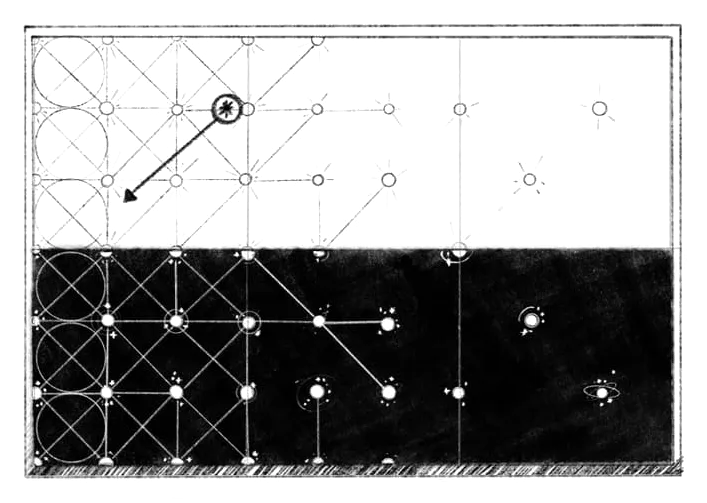
Arrow Motion (m)
An arrow motion is integrative: no matter how far it gravitates towards chaos as a starting point, it always keeps one eye on a specific endpoint where a new pattern may slot within an already established pattern. This drive towards a resolution point relies on sequencing effort towards the goal while resisting open-ended explorations or rabbit trails.
Those of us with a propensity to use the arrow motion value cohesion, method, and incremental progress towards a plausible endpoint. It’s the preferred motion of managers, strategists, innovators, reformers — anyone driven to optimize the existing order.
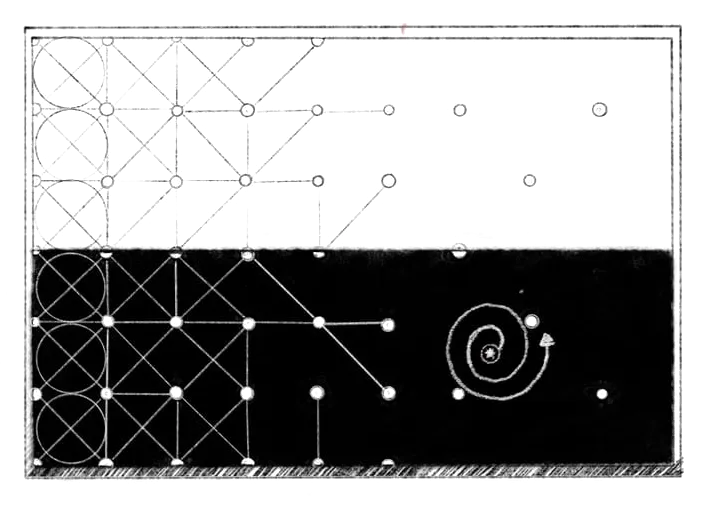
Spiral Motion (m)
A spiral motion explores: when something sparks our attention, rather than fit it within a pre-existing pattern or goal we freely spiral around it like a radar as patterns emerge. This intense — but loose — focus around our own gravity point makes a spiral motion adaptive, unpredictable, and idiosyncratic. Within a spiraling thought-current, we’re prepared to throw out any prior assumption or convention while stubbornly clinging to a seemingly random aspect we’re momentarily honed in on… until we jump to the next thing.
Those of us who prefer a spiral motion hone in on what seems timely to us, disregarding the existing order and wider context in favor of starting “from scratch.” This frees us up to work bottom up with a non-linear velocity that eschews traditional systems, methods, or “common sense” — yet often results in unexpected success. But just as often, the patterns it creates form a disconnected island apart from the integrated order of things, leaving it unfinished or with unrealized potential we’ve already moved on from.
The spiral motion is often used by inventors, socialites, artists, gurus, poets, emergency responders, and nutty professors.
We can only know ourselves when we know our map
Plotting our gravity point (x,y) and natural motion (m) within a map gives us big-picture clarity on where we optimally play within a workplace, family, or community. Unlike personality tests or other modern ways of understanding ourselves, a map-first view recognizes that 1/2 of the picture is the context we’re playing within.
This wider view frees us to see a broader field of play that defines us as much as we define it.
We can map a more creative & stable harmony
Once we can see ourselves within — not isolated from — a shared mental space, we’re free to see where others are coming from more coherently and empathetically. What seemed irrational or strange not only becomes more understandable within a broader view, but is revealed to be an essential role played on a broader field.
Mapping the big picture not only yields a calm clarity but frees us to strategize our way towards a more stable, creative harmony.