---
title: Three visual lessons from On Writing Well by William Zinsser
description: Three lessons I learned from a deep read of On Writing Well.
collections:
- books
contentType: essay
image: /images/illustrations/img-4f49fd3466bd-light.png
---
[@layout]: ../../layouts/reading.layout.md
[@page]: ../../design/page.components.md
[@reading]: ../../design/reading.components.md
# Three visual lessons from On Writing Well by William Zinsser
---
I put off reading *On Writing Well* for *ten* years. In a moment of youthful ambition to become a "writer," I bought it with one click on Amazon.com. After glancing guiltily at it on my shelf a few hundred times, I opened it with that particular kind of dread reserved for a necessary but hard lesson. What I didn't expect was that a classic book on writing would be so funny. William Zinsser's practical and sharp-witted style made the medicine go down easy and left me feeling more like a writer than I have in a decade.
I procrastinated on this book for so long partly because I thought of writers as an elite class of literary demigods, and learning to be like one of those felt daunting. But Zinsser quickly strips away the pretentiousness around writing. There are no rites of passage or continual strokes of genius that earn you the title of "writer" in his book — instead, he shares warm, practical advice for writing anything from an email to your memoir. His lessons are precise and human enough that it's easy to miss that they run counter to the clichés we accept about writing and writers.
---
## Three Visual Lessons
Visually sketching concepts helps me understand and remember them. I took nine pages of notes and sketches as I read *On Writing Well*. I found the following three most interesting:
---
### 1. Start with the end in mind… is lousy advice for writing
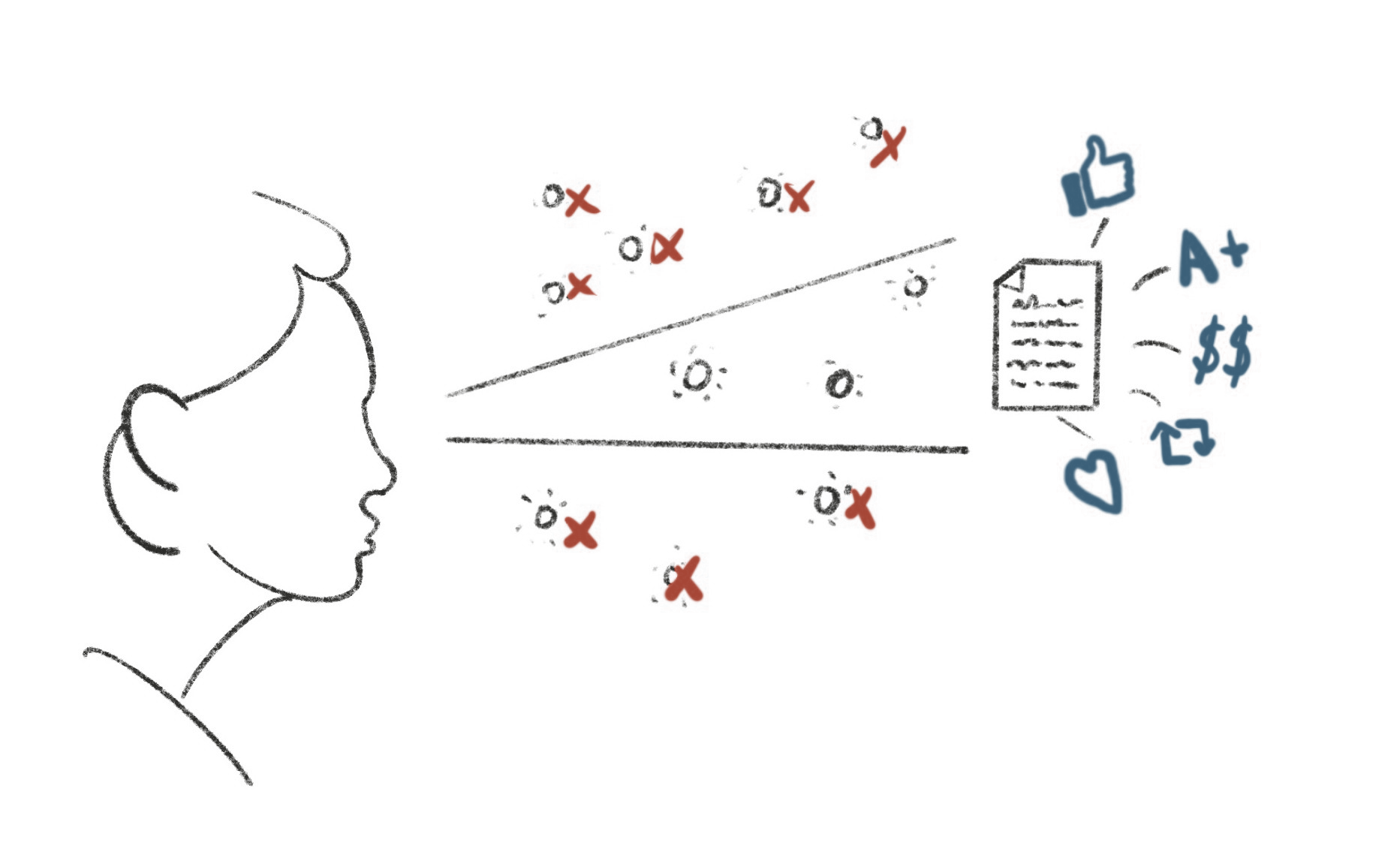 When we aspire to write, we often don't see a blank page in front of us but a vision of the type of writing that'll earn us an "A+," social media likes, or a glowing response from a client or editor. We mold our writing to our vision as we tap out each word. But our fixation on an imagined result narrows our view and leaves many interesting possibilities unexplored.
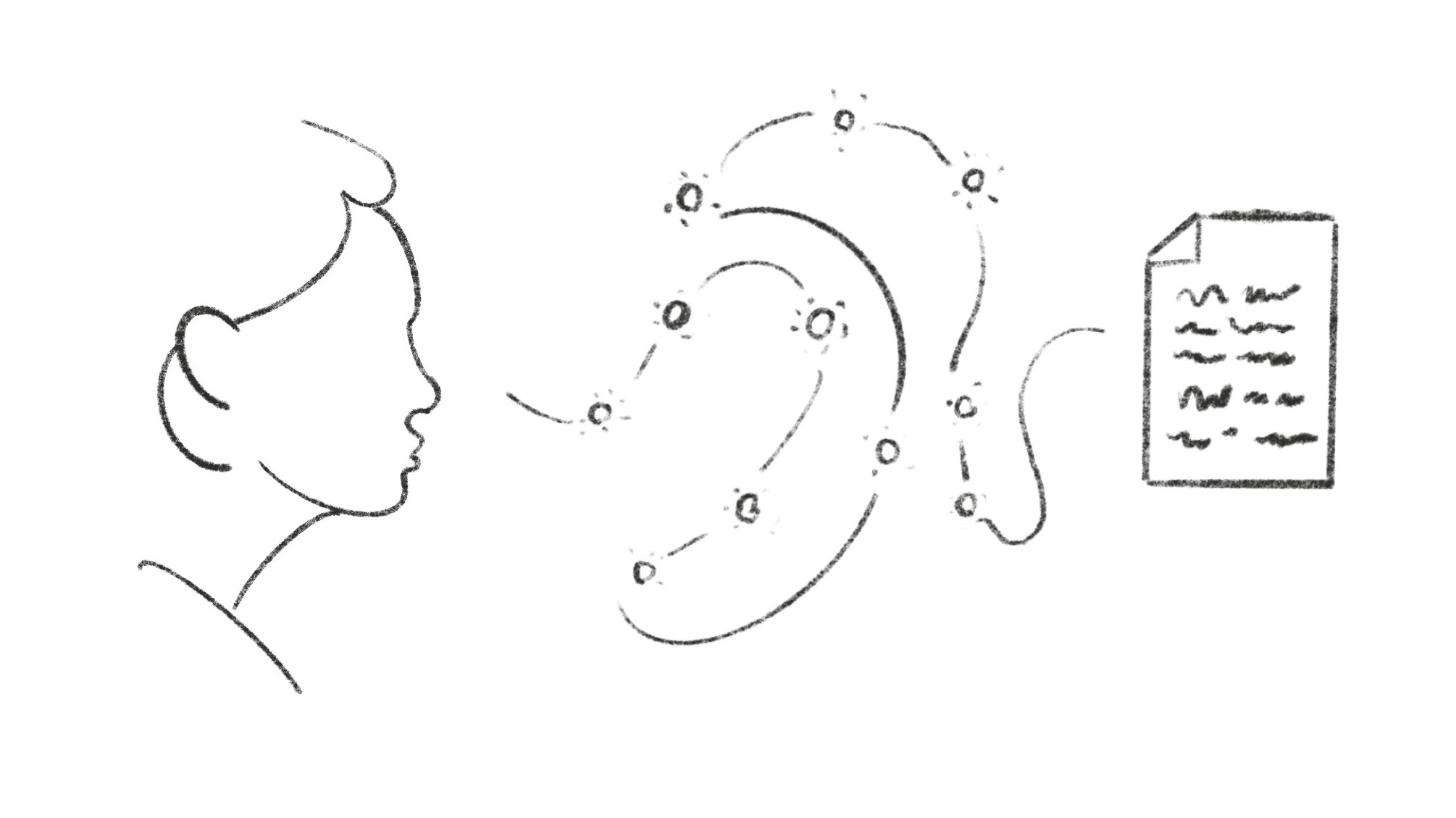 Zinsser counter-teaches an organic approach that frees us to let our topic, skill, and personality slowly tease out the shape of the final product as we go. We set an intention and then see where it takes us. The result may not be what we expected, but it's more stimulating to write and to read.
---
### 2. All writing matters.
> "Writing is thinking on paper."
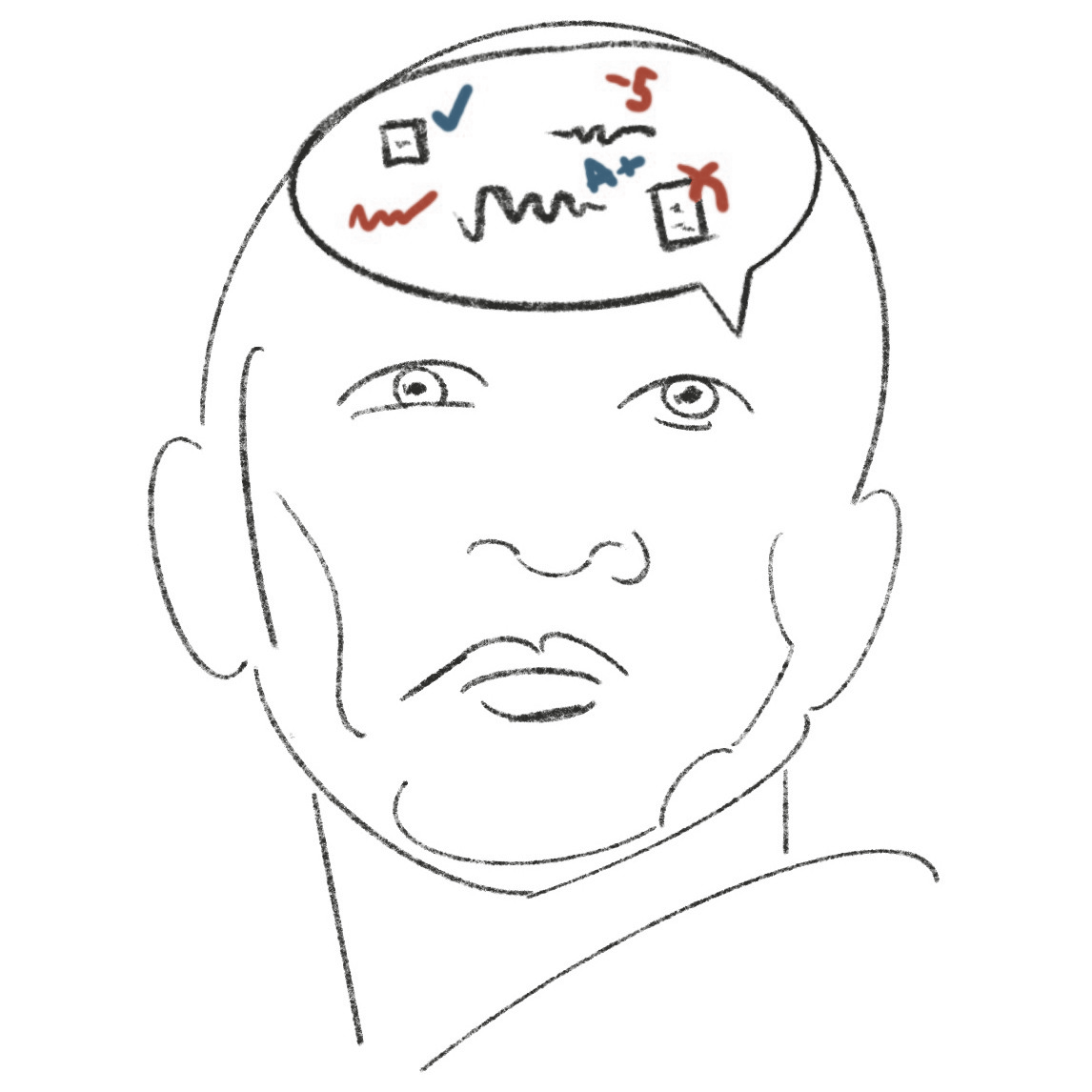 As people read your words, they update their subconscious picture of how sharp you are. An occasional puzzling sentence or misspelling won't damn you, but an accumulation of poor writing paints you as a sloppy thinker. Assuming that's not the image you want, it's worthwhile to treat every sentence — even those on social media or in email — with the same care you'd take with your appearance before a presentation.
However, Zinsser cautions against retreating into political safe-speak or clichés. The balance isn't just to write well but to write like yourself, which brings us to our third lesson:
---
### 3. Know who you're writing for… (it's you.)
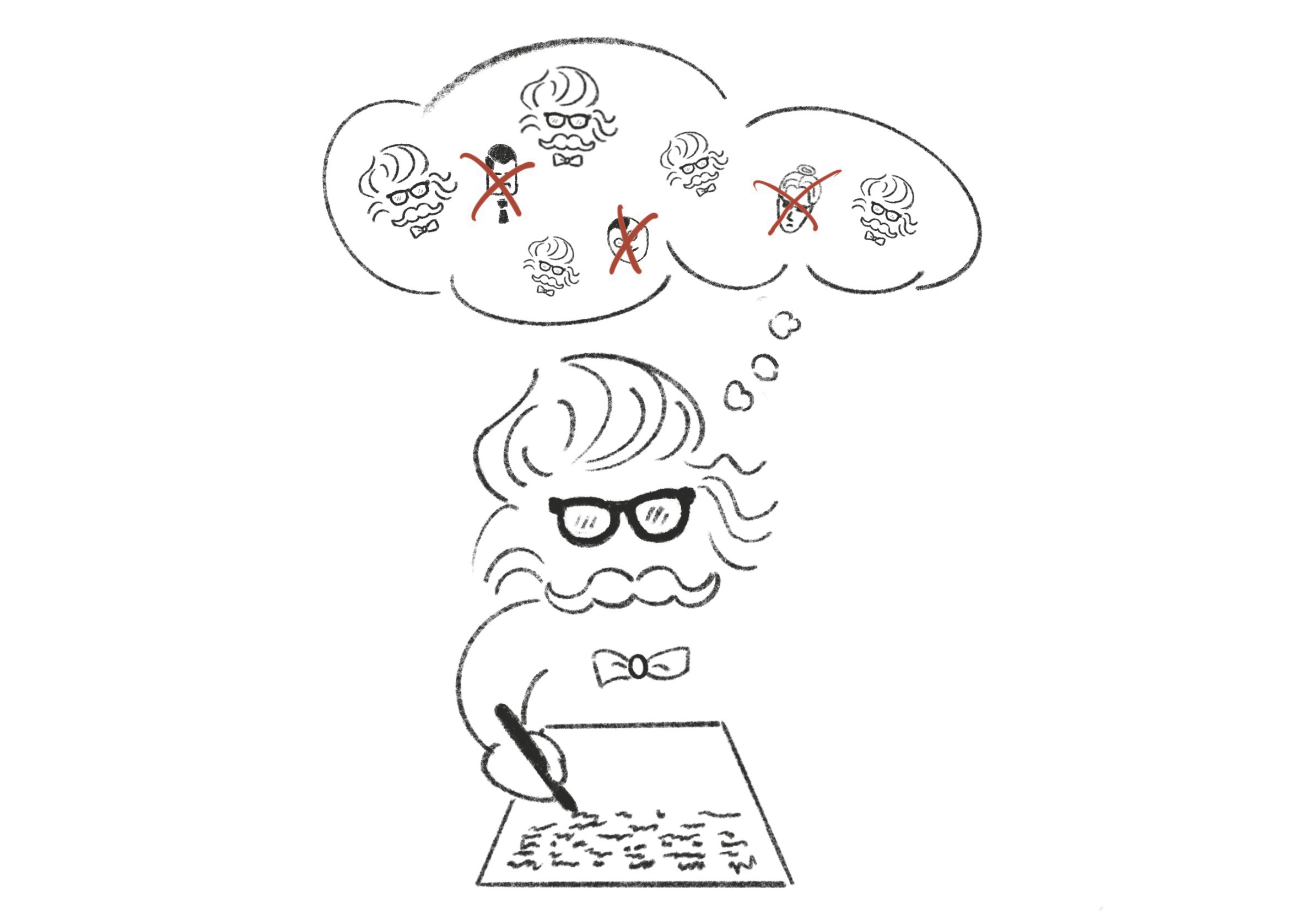 Zinsser repeats this lesson in almost every chapter because he knows we've been taught *not* to write for ourselves for our entire lives. We've been writing for our teacher, boss, or blog — it's the only way we know to write, so it's no wonder that it feels like a chore.
We can't write for our readers because they don't know what they want to read until after they read it. What we know is that everyone wants to read something interesting and new and the best way to write that kind of thing is to write something *we* find interesting in a way that only we can.
Next time you sit down to write your next email, blog post, or book draft, don't worry if your readers will "get it" — some will and some won't, and that's okay. "Write as well as you can" and — most importantly — make sure it's *yours*. Anything less will feel lifeless or disingenuous, and heaven knows, we've got enough of that type of writing already.
If you'd like your words to stand out from the daily barrage of writing sludge beamed into millions of faces every day, it would be hard to find a better place to start than by reading *On Writing Well*.