---
title: The future operates in a different kind of time
series: The Chaos & Order of Creative Work
description: An exploration of the futility of attempting to put the future on a
schedule along with an ancient antidote to our modern view of time.
contentType: essay
series-order: 1
image: /images/illustrations/img-a5434bf275cf-light.png
---
[@layout]: ../../layouts/reading.layout.md
[@page]: ../../design/page.components.md
[@reading]: ../../design/reading.components.md
# The future operates in a different kind of time
---
We love to put the future on a schedule: calendars, checklists, and goals give us that feeling of control. But how often are our expectations met when the moment comes? Rarely, and never completely.
The bigger the vision, the less it plays out how we imagined it would. And most life-changing experiences, for better or worse, weren’t planned or predicted.
Why do we continuously trick ourselves into thinking we can coerce the future, setting the stage for inevitable disappointment?
> “Everybody has a plan until they get punched in the mouth.” – Mike Tyson
If we’re honest with ourselves, most day planners & to-do apps are better thought of as tools to alleviate present anxiety about the future than tools to alter the future.
I think this is part of why we rarely reflect on just how far off our plans and predictions are; instead of giving them a rigorous post-mortem review, we move forward with making new plans.
But I think there’s something more fundamental behind our collective illusion that we can dictate anything about the future: we don’t have enough words for “time.”
---
## The future operates on kairos time, not chronos time.
“Chronos” is an ancient Greek word (and god) synonymous with our modern chronological view of time: calendars, clocks, and predictable sequences. We don’t have another word for time, so chronos is the only way we think about it.
But the ancient Greeks had another word for time: “kairos.” Kairos is “when the moment is right.” Rather than syncing with atomic vibrations or planetary motions, kairos syncs with unpredictable windows of opportunity.
Fast food runs on chronos with pre-measured ingredients dosed out in precisely timed steps. Thanks to Chronos, we get the same result quickly and inexpensively, now and in the future.
But the world-class chef improvising the special at a five-star restaurant channels Kairos, intuitively selecting just the right ingredients for the season and plate for the evening with no recipe. We expect to wait for this level of culinary experience, pay a lot, and specifically not get the same dish every time.
Kairos and chronos time yield different results. If we expected fast food but had to wait forty-five minutes for whatever the fry cook dreams up while we’re in the drive-through, we’d be disappointed, to say the least.
And here’s where the future comes in: the ancient Greeks assumed that much of the future was best met with kairos, not chronos, to the extent that they named a separate god for it.
We lack a word for kairos, so in a twist of linguistic determinism, we try to squeeze all time – past, present, and future – into a chronological mold and are perpetually confused and frustrated when it doesn’t cooperate.
---
## How to see in kairos time
As we think about the future, it’s helpful to classify which parts of our vision are orderly and which are chaotic:
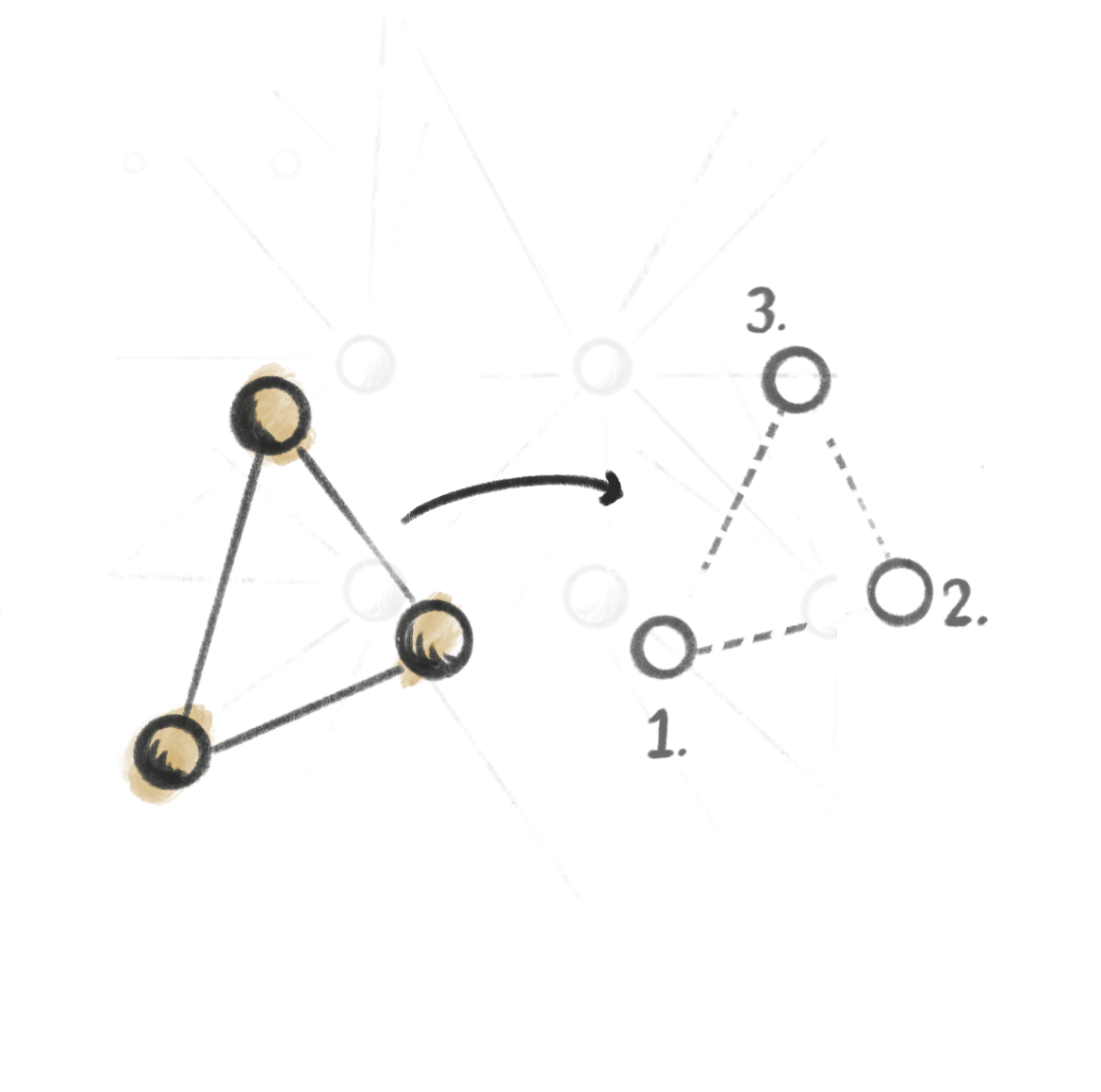 **Orderly** visions are things that have happened before that we want to happen again. For example, when we plan a dinner party, buy a franchise business, or show up to a meeting, we’re enacting a known pattern that operates well within chronos time. (But we shouldn’t be surprised if kairos intervenes on the way.)
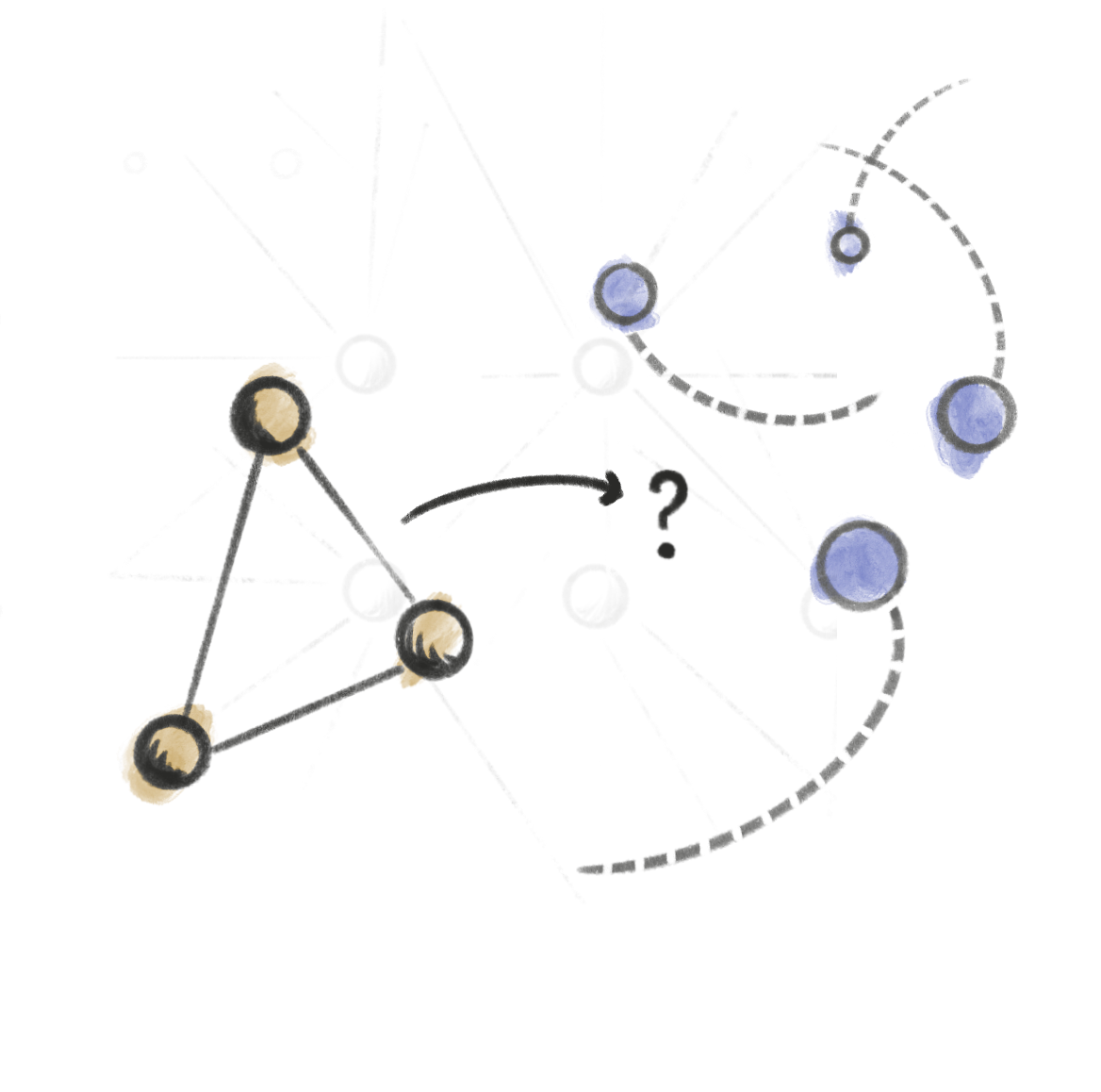 **Chaotic** visions are dreams of things that could be but lack a discernible pattern or rhythm to follow. If we aim to create an innovative product, find a soulmate, or have a fascinating conversation, we’re entering chaos. And chaos doesn’t play with chronos, only kairos.
> **Prompt:** Take a moment and think about something you hope to achieve in the future. What parts of it are orderly and which are chaotic?
---
## *The future requires a different set of tools.*
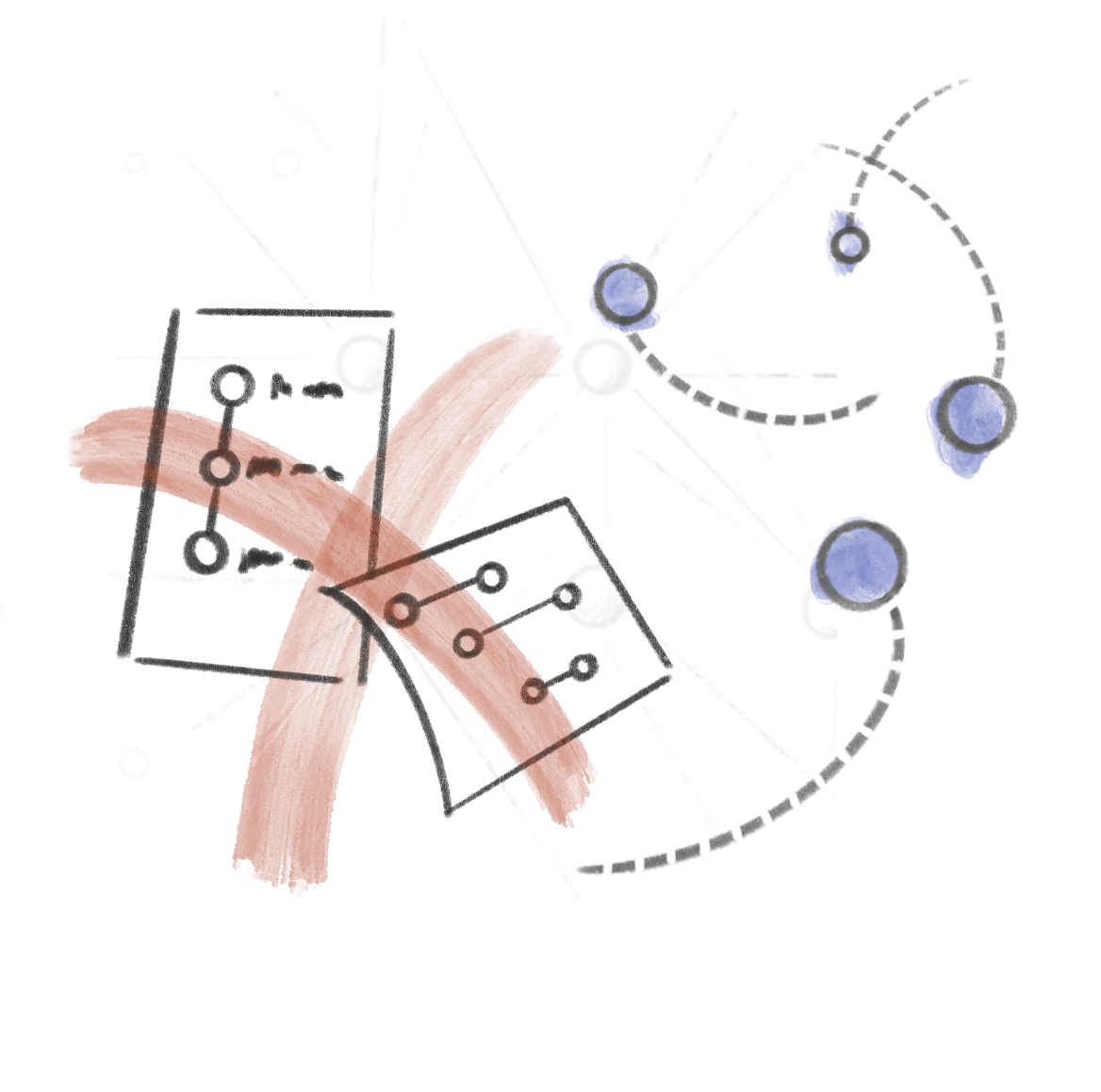 Once we’ve identified the chaotic parts of our hopes for the future, then shifting to kairos thinking means scrapping our deadlines, Gantt charts, and roadmaps for a new set of tools:
- Instead of deadlines, focus on whatever you’re uniquely situated to do next that moves towards your vision. (I've found [Viktor Frankl’s definition of “responsibility”](/essays/seven-visual-meditations-from-mans-search-for-meaning-by-viktor-frankl) to be an immensely helpful way to determine whatever’s next.)
- Instead of crafting detailed long-term plans, spend that time building a small part of that next thing.
- Instead of a roadmap, create a mental “lab” for your chaotic ideas where you’re free to explore and experiment without pressure to rush things out half-baked.
> **Prompt:** What chaotic visions could you mentally place in a “lab”? How might that change how you feel about the future and work towards it?
In parting, I’ll share two ways I’ve found helpful to apply kairos thinking about the future:
1. At Pathwright, where I lead product and strategy, we’ve thrown out our product roadmap and replaced it with what we refer to as the “Labs.” In the Labs, we develop and experiment with new ideas untethered from artificial timelines or commitments. We only commit to projects for the next six weeks, based on what’s right for the time, not a plan we made up six or more months ago. So far, working in the Labs feels calmer and more enjoyable than a roadmap ever did and has led to some of our most creative work.
2. Personally, I shifted my plans for the Chaos Map to kairos thinking, which I’ve found is an antidote to fixating on metrics like reads or shares, freeing me to focus on whatever seems most opportune for my readers and me at the time.
---
- [Seven visual meditations from Man’s Search for Meaning by Viktor Frankl](/essays/seven-visual-meditations-from-mans-search-for-meaning-by-viktor-frankl)
- [The tyranny of order in decline](/essays/when-order-moves-to-chaos-part-ii)
- [Who to listen to when order moves to chaos](/essays/when-order-moves-to-chaos-part-1)