---
chaosmapId: chaosmap-concept-gravity-point
contentType: concept
title: Gravity Point
type: concept
image: /images/illustrations/img-ba6bad0d6f95-light.png
description: When put together, our (x) affinity for order or chaos and (y)
preference for relational or conceptual patterns locate our gravity point —
the mental space that feels most natural, energizing, and satisfying to us.
---
[@layout]: ../../layouts/reference.layout.md
[@reference]: ../../design/reference.components.md
[@page]: ../../design/page.components.md
 # Gravity Point
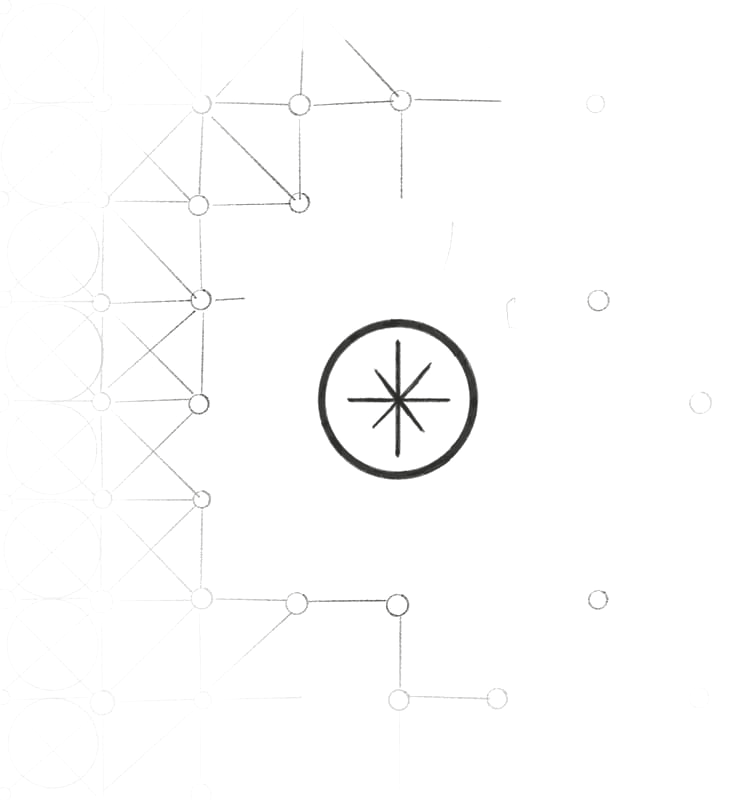
When put together, our (x) affinity for [@link(open=reference) order](/concepts/order/index.md) or [@link(open=reference) chaos](/concepts/chaos/index.md) and (y) preference for [@link(open=reference) relational](/concepts/relational-world/index.md) or [@link(open=reference) conceptual patterns](/concepts/conceptual-world/index.md) locate our **gravity point** — the mental space that feels most natural, energizing, and satisfying to us.
Straying too far to the left of our gravity point leaves us stifled in too much order; venturing too far to the right leaves us anxiously unmoored. While stretching beyond it is critical for learning (our "zone of proximal development"), spending too long out of range leads to burnout.
- [The hidden gap in the way we see things.](/essays/the-hidden-gap-in-the-way-we-see)
- [In the Guide](../../index.md#gravity-point)